Table of Contents
Bitmain Antminer S21 Pro and S21 Plus
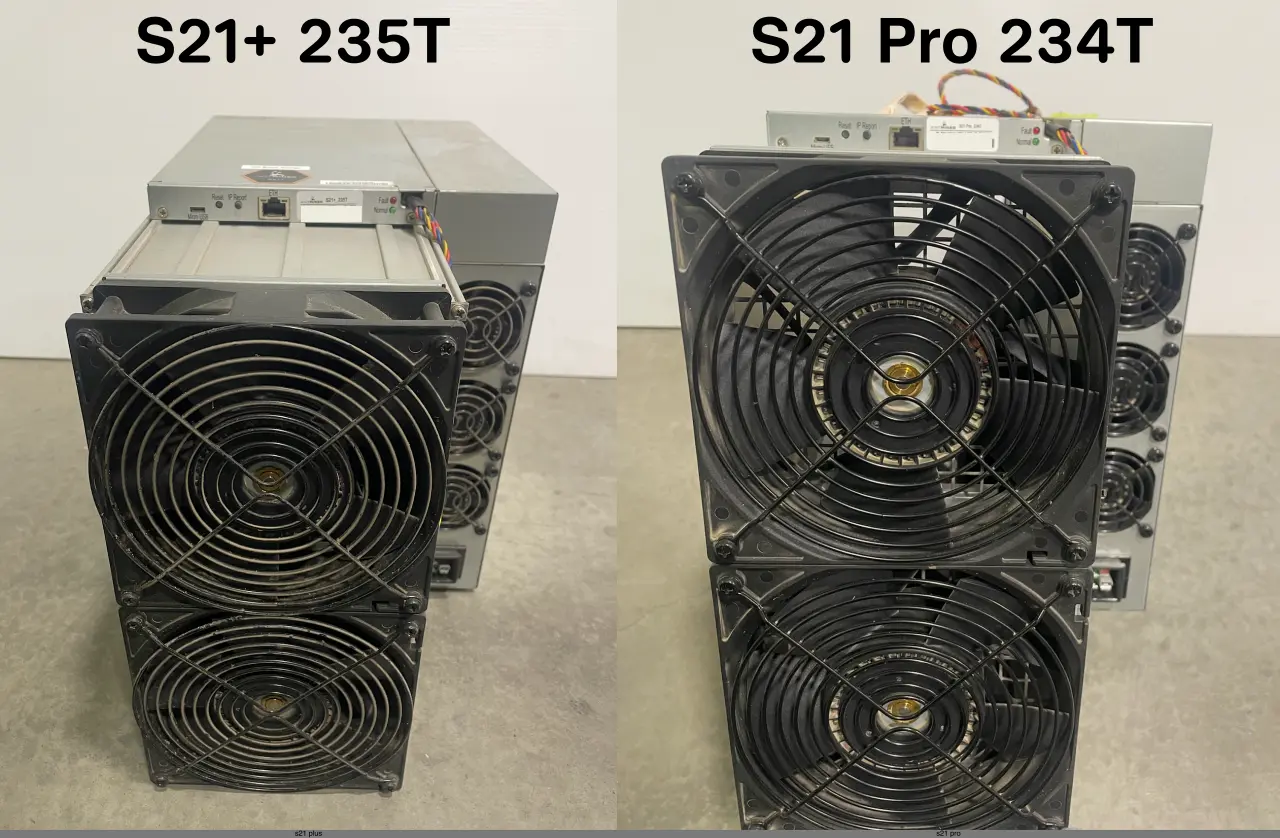
The Bitmain Antminer S21 Pro and S21 Plus are currently among the most efficient air-cooled Bitcoin ASIC miners on the market. Despite fluctuations in the Bitcoin price, these machines remain highly profitable due to their exceptional hashrate capabilities. Consuming roughly 3.6kW—similar to the older S19 series—the S21 series delivers more than 1.5 ~ 2times the hashrate, offering unparalleled power efficiency.
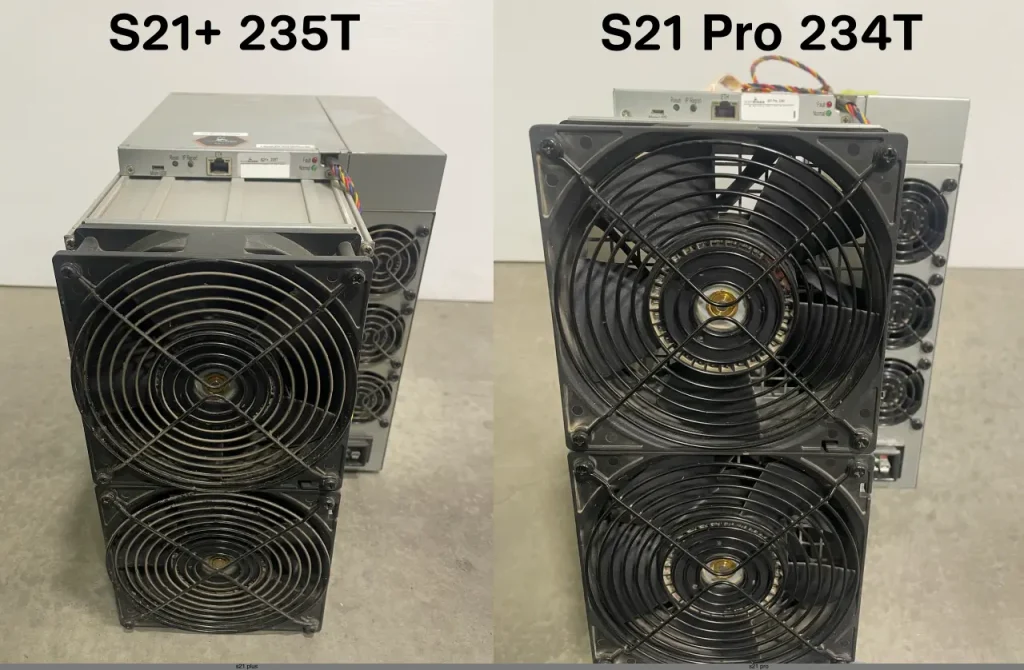
This guide covers the detailed specifications, hashboard technicalities, and repair insights for both models.
Bitmain Antminer S21 Pro vs. S21 Plus: Specifications
| Feature | Antminer S21 Pro | Antminer S21 Plus |
| Hashrate | 234 TH/s | 216 TH/s – 235 TH/s (varies by variant) |
| Power Consumption | 3510 W | 3500 W – 3877 W |
| Power Efficiency | 15.0 J/TH | 15.2 J/TH – 16.5 J/TH |
| Weight | 20 kg | ~15 kg – 18.5 kg |
| Dimensions | 450 × 219 × 293 mm | 449 × 219 × 29 mm – 450 × 219 × 293 mm |
| Operating Temp | -20°C to 45°C | -20°C to 45°C |
The Power of the BM1370 ASIC Chip
Both the S21 Pro and S21 Plus utilize Bitmain’s latest BM1370 chip. To understand its efficiency, compare it to the S19 XP’s BM1366 chip. An S19 XP hashboard requires 110 chips to produce around 140 TH/s. In contrast, the S21 Pro and Plus require only 65 and 55 chips, respectively, yet yield a significantly higher hashrate using the same power.
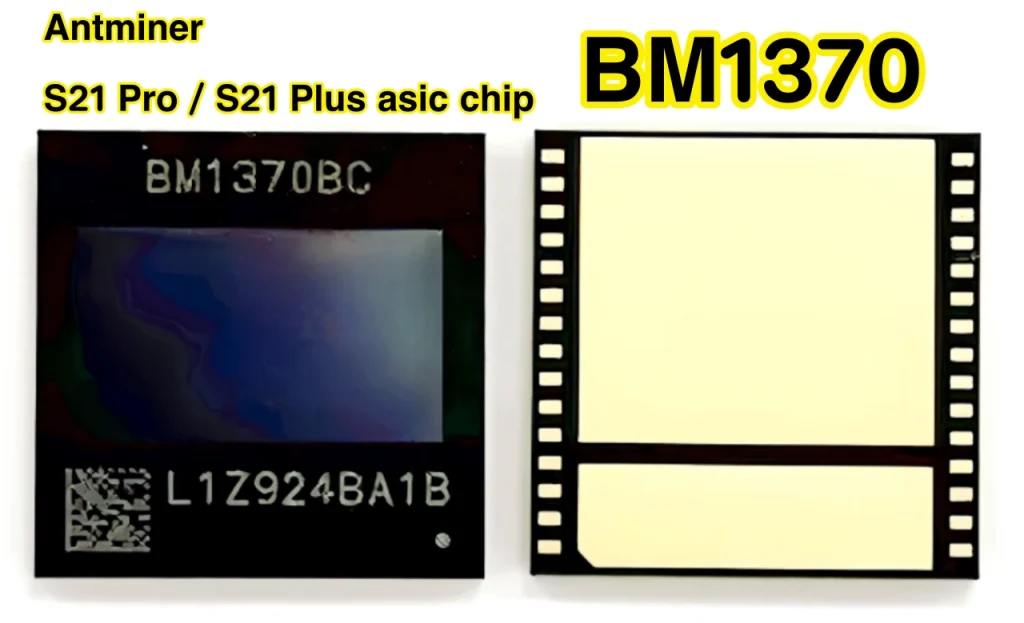
From a technician’s perspective, fewer chips mean a lower failure rate. Having fewer components significantly simplifies the repair process compared to older Antminer series, making the S21 series highly reliable.
Antminer S21 Series Hashboard Deep Dive
For ASIC repair technicians, understanding the hashboard layout and power domains is critical. Here is the breakdown of the two main hashboards used in this series.
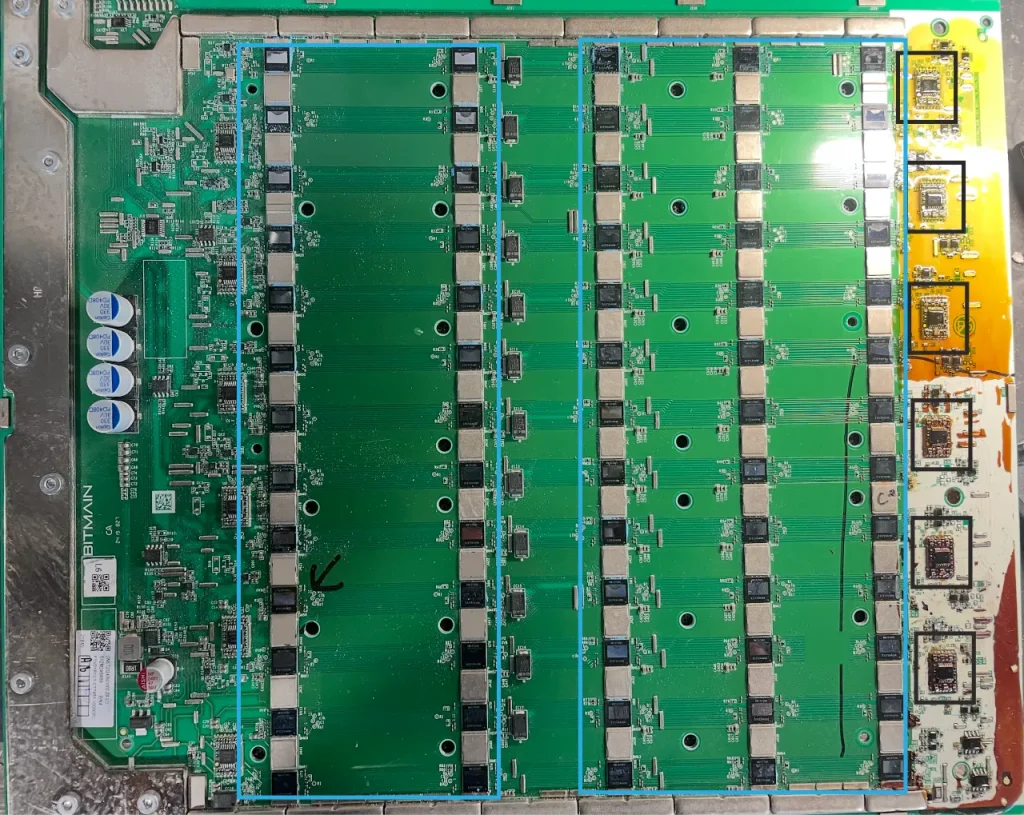
S21 Pro Hashboard: A3HB70601 (65 Chips)
The A3HB70601 is the designated hashboard for the S21 Pro, populated with 65 BM1370 chips.
- Structure: It consists of 13 domains, with 5 chips per domain.
- Power Distribution: The domain utilizes 1.2V and 0.7V LDOs. The 1.2V LDO powers the entire domain. For the 0.7V supply, the 3 chips on the right side receive power from the right LDO, while the 2 chips on the left receive power from the left LDO.
S21 Plus Hashboard: A3HB70701 (55 Chips)
The A3HB70701 hashboard also utilizes BM1370 chips but is limited to 55 chips.
- Structure: It consists of 11 domains, with 5 chips per domain. The power distribution (1.2V and 0.7V LDOs) follows the same logic as the Pro model.
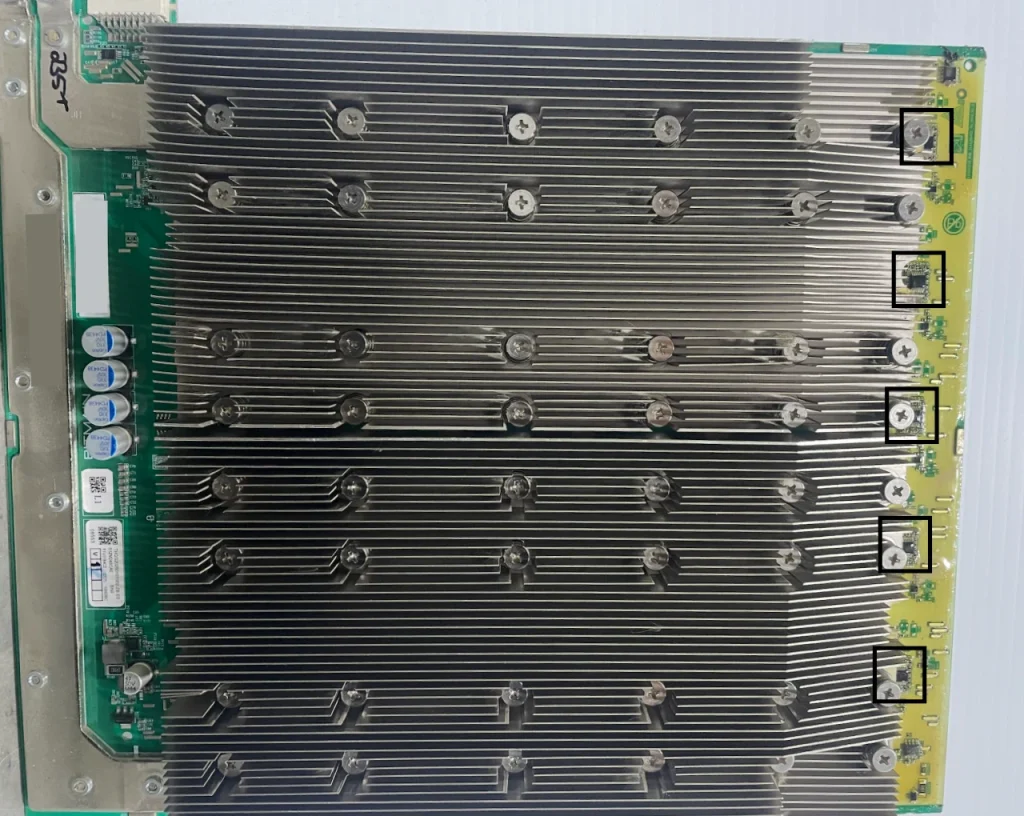
- Visual Identification: You can differentiate the S21 Plus (A3HB70701) from the S21 Pro (A3HB70601) without removing the heatsink. Simply count the amplifiers. The S21 Pro has 6 amplifiers on the right side, whereas the S21 Plus has 5 amplifiers on the left side.
Common Issues & Troubleshooting
While the S21 Pro and S21 Plus are generally very reliable, operators may encounter a few common issues:
- Firmware Compatibility: There are known compatibility issues with certain 3rd-party firmwares. If you choose to use aftermarket firmware, ensure it is properly configured. Avoid aggressive overclocking; while it may temporarily boost your hashrate, it significantly reduces the lifespan of the machine.
- Overheating & Thermal Paste Drying: Most hashboard failures in the S21 series occur due to mining in high-temperature environments. Excessive heat causes the thermal paste to dry out, leading to chip failure.
- Maintenance: Always keep your mining site clean. If you notice visual dust buildup in the heatsink, clean it immediately to ensure optimal airflow and prevent overheating.
Antminer S21 Series Repair Costs
When an S21 machine malfunctions, the issue is typically isolated to one of three components: the PSU, the Control Board, or the Hashboard. Estimated repair costs are as follows:
- PSU Replacement: $250 – $350
- Control Board Repair/Replacement: ~$100
- Hashboard Repair: $150 – $200 per board (if only a few chips need replacing). Note: If a large number of chips have failed or the PCB is severely damaged due to overheating, the board may be deemed unrepairable.